
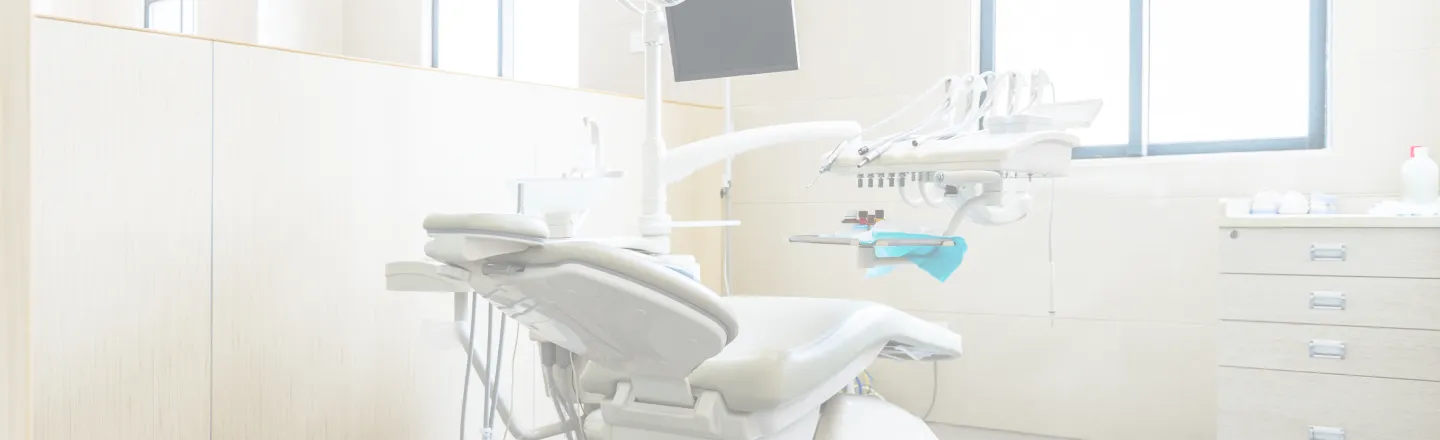
Digital X-Rays in Los Angeles, CA: What to expect
At Leith K Shawaf DDS in Los Angeles, California, Digital X-Rays support precise diagnosis with clear images and a streamlined visit. This guide explains Digital X-Rays in Los Angeles, CA, including what they show, how the process works, benefits, and safety considerations for adults and children.
Digital dental X-rays explained
Digital dental X-rays are radiographic images captured with electronic sensors instead of traditional film. The sensors convert X-ray energy into a digital image that appears on a computer within seconds. This allows the dental team to zoom, enhance contrast, and compare images over time for more confident treatment planning.
Two broad categories are used in dentistry:
- Intraoral images: Bitewings show cavities between teeth and bone levels, while periapical views focus on a single tooth from crown to root.
- Extraoral images: Panoramic views capture the jaws, sinuses, and developing teeth, while cephalometric images assist with orthodontic planning.
Digital X-rays help detect concerns that are not visible during a visual exam, including early tooth decay, abscesses, cysts, impacted teeth, bone loss from gum disease, cracked roots, and changes around restorations or implants.
Why consider digital dental X-rays?
- Lower radiation dose: Digital systems typically use significantly less radiation than film-based X-rays.
- Instant images: Results appear immediately, helping streamline appointments and reduce retakes.
- Clearer visualization: Image enhancement and magnification can reveal small problems earlier.
- Better communication: On-screen images make it easier to review findings and discuss options.
- Eco-friendly process: No chemical processing is required.
How digital X-rays work during a visit
The process is quick and comfortable:
- Preparation: A protective apron and, when appropriate, a thyroid collar are placed. Jewelry or removable appliances may be taken out.
- Positioning: A small sensor or plate is placed in the mouth for intraoral images. For panoramic images, you stand or sit while the machine rotates around your head.
- Exposure: You hold still for a few seconds while the image is taken.
- Review: The image appears on-screen right away. Areas of concern can be enlarged and discussed.
- Storage: Images are securely saved to monitor changes over time.
Your imaging experience
Most patients find digital X-rays comfortable. A strong gag reflex or tight spacing can make sensor placement feel awkward, but adjustments and smaller sensors can help. You can return to normal activities immediately after imaging.
How often X-rays are recommended depends on your oral health and risk factors. New patients often need a baseline series. Routine bitewings may be suggested every 6–18 months for cavity-prone patients and less often for those at lower risk. Children and orthodontic patients may require different intervals as teeth develop and shift.
Safety is a top priority. Digital X-rays use a low dose of radiation, with reported reductions of up to 70–90% compared with film. Only images that are clinically necessary are recommended, and protective shielding is used when appropriate.